content creator to communications strategist: lessons from the shift
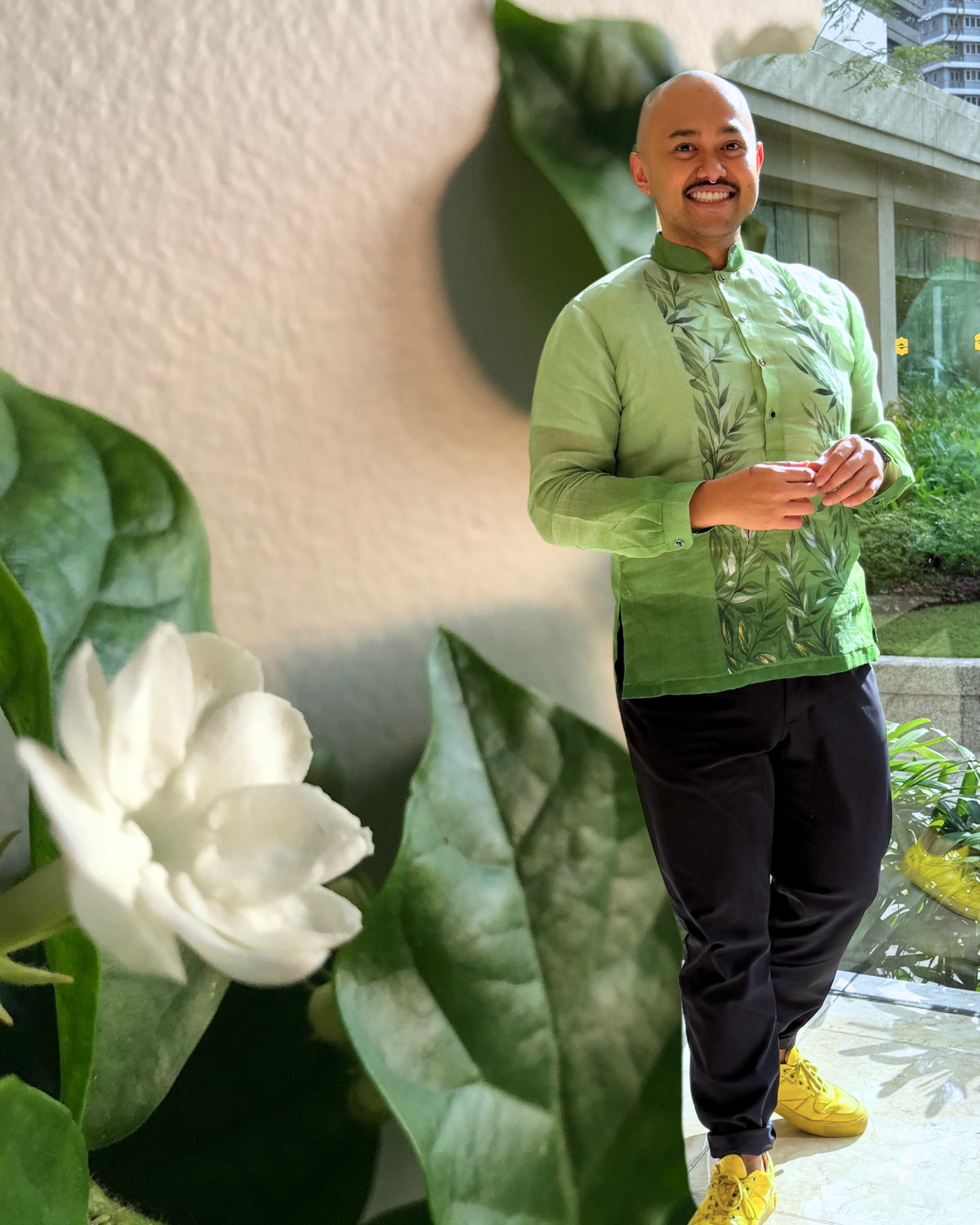
From anyone I’ve told about this shift, I’ve alway been asked the same question…
What is that transition like? What does that look like? Can you explain and elaborate more on the connection for me?
Stopped. Dead in my tracks. Solid question. Fair enough. I never really thought about it, until now.
I really had to think deep about why this transition felt natural to me. During my short tenure as a content creator I was always intentional about the words I was putting down to (digital) paper. I didn’t want to be a creator that created for the sake of getting something out there in the fight for staying relevant. The people, the story, and the impact always remained the number one priority.
Then when I took a break from content creation and focused on my career (and the career shift that came with that), I noticed that many organizations had a tough time with their content strategy. That often posts, stories, and anything they’ve shared seemed so… willy-nilly. But I knew - I just knew - it couldn’t have been that simple.
Now, pause. A bit (a lot, actually) of background…
My formal career training is in business management, particularly accounting and information systems. Zero training in communications. None. Nope. Nice try. My focus in my work had always been about impact and the bottom line. But this wasn’t your typical bottom line - it was the triple bottom line. During the time I was in my undergrad, business schools were just starting to teach about the triple bottom line. The whole idea around people, planet, and profit.
This wasn’t being taught deeply, no. It was to the extend that it maybe, potentially, likely, probably, a multiple choice question on the final exam asking what the three Ps of the triple bottom line stood for. Nothing more - and certainly couldn’t ask for anything less.
This had alway piqued my interest. I learned about it in a paragraph of my accounting textbooks, but what did this mean? What actually happened in an organization that brought this concept to life beyond greenwashing the books?
It wasn’t until I was exposed to the concept of social impact in my work in the entrepreneurship circles at the university that I really began to peel back the layers. While I could spend hours, days, weeks, and months talking about the flexibilities and nuances of social impact, that’s not the point of this post. The key takeaway from me about the triple bottom line is the delayed and unquantifiable social nature of the business. Delayed in the sense that cause & effect were never a straight line. Unquantifiable in the sense that the outcomes stood outside the bounds of numbers and figures. The investment of an organization’s time, money, and effort into the immeasurable: being a citizen within the community (or communities) it operates.
So, how does this fit in to the entire story of jumping from content creation to communications? Well, it’s because I knew it couldn’t have been that simple - it couldn’t have been so willy nilly. That the triple bottom line could not have been summarized in a simple 100-word paragraph about international accounting standards. It wouldn’t have been that willy-nilly. There was something qualitative beyond the numbers and spreadsheets that could only be captured by the vision, purpose, and stories generated by this social impact investment.
That seeing this laissez-faire approach to communications was a missed opportunity in the triple bottom line of the organization. It was clear enough to me that their communications was driven by one thing: profit. So, I started asking questions. In fact, the same questions asked of me earlier in this transitional journey were the same I asked:
Forget the message for a second: what is the purpose of the organization? What has that transition from problem to solution looked like? Where did it get lost along the way? Surely, at some point in the origins of the business/organization there was a very human problem that needed a business solution.
What is the connection between organization goals and how the organization is telling that unquantifiable story?
Luckily, I had the opportunity to ask these questions of some business owners and organizations leaders close to me. Some were stumped, some fumbled over their responses, and some had a very clear answer. Across the board, one thing was clear: these were questions that they were familiar with, but hadn’t had the opportunity to dive deeply into - at least not recently.
So, in all of this, I learned:
Your experiences, no matter how seemingly trivial, will always gift you lessons that you can use in the future.
The world runs in parallels and it’s up to you to look for patterns and draw meaning from them.
Organizations have some catching up to do when it comes to their communications strategy.
When we look back on the questions initially asked of me…
What is that transition like? What does that look like? Can you explain and elaborate more on the connection for me?
That transition looks exactly like what’s been important to me. Sure, making money matters - it’s one of the societal constructs we’re confined to. But the shift looks more like the people and communities I’ve had the chance to work with. It’s moving from creating for attention to building for understanding, from chasing reach to helping ideas land with clarity and intention. The connections between content creation and professional communications isn’t a leap; they’re steps forward in ladder that is my personal evolution: one step taught me how people pay attention, the other taught me why it matters. Today, that transition shows up as working with organizations to (re-)connect with their purpose.
